The Unsung Hero: Vitamin E's Far-Reaching Impact on Health
Often lauded primarily for its antioxidant prowess, Vitamin E is a powerhouse nutrient with a spectrum of benefits that extends far beyond merely combating free radicals. This fat-soluble vitamin, a group of compounds known as tocopherols and tocotrienols, plays a critical role in numerous biological processes, from enhancing cellular function to protecting against chronic diseases. While its contribution to vibrant skin and lustrous hair is well-documented, emerging research and clinical observations highlight its significant therapeutic potential in managing conditions like diabetes and rheumatoid arthritis. Understanding the full scope of Vitamin E's power to enhance organ function and fight free radicals is key to appreciating its value in a holistic health regimen.
Beyond Antioxidants: Fortifying Your Body Against Oxidative Stress
At its core, Vitamin E is a formidable antioxidant. This means it actively neutralizes free radicals – unstable molecules that can damage cells, proteins, and DNA through a process called oxidative stress. Oxidative stress is a silent instigator in many chronic diseases and plays a significant role in the aging process. By protecting cell membranes from this damage, Vitamin E helps maintain cellular integrity, which is fundamental to the proper functioning of every system in the body.
Its role in supporting overall cellular health translates into a myriad of advantages. For instance, Vitamin E is instrumental in maintaining proper immune function, enabling the body to better defend itself against pathogens. It also contributes to healthy blood circulation by supporting vascular health, ensuring oxygen and nutrients are efficiently delivered throughout the body. This protective effect against cellular degradation is one of the reasons Vitamin E is often associated with slowing both mental and physical aging, safeguarding vital organs and neurological processes from environmental stressors and the natural wear and tear of time.
Sweet Relief: Vitamin E's Crucial Role in Diabetes Management
For individuals managing diabetes, balancing insulin levels and blood glucose is a daily imperative. This delicate equilibrium can be profoundly impacted by oxidative stress, which is often elevated in diabetic patients and contributes to various complications. This is where Vitamin E steps in as a vital ally.
Studies suggest that adequate Vitamin E consumption promotes the metabolic processes of blood glucose. By acting as a potent antioxidant, it helps reduce the oxidative stress that can impair insulin sensitivity and damage pancreatic cells responsible for insulin production. This protective action can improve cellular response to insulin, potentially aiding in better blood sugar control. While Vitamin E is not a cure for diabetes, integrating it into a comprehensive management plan, especially through nutrient-rich foods, offers a valuable supportive mechanism for improving metabolic health and mitigating the long-term impacts of the disease. Always consult with your healthcare provider to discuss appropriate dosage and how it fits into your individual diabetes care.
Easing the Joints: Alleviating Rheumatoid Arthritis Symptoms
Rheumatoid Arthritis (RA) is a debilitating chronic autoimmune disease characterized by persistent inflammation, joint pain, stiffness, and progressive loss of mobility. The relentless inflammatory response in RA often leads to increased oxidative stress, which further exacerbates joint damage and discomfort. Here, Vitamin E's anti-inflammatory and antioxidant properties offer a beacon of hope.
Research indicates that when taken alongside standard prescribed medications, Vitamin E can be more effective than medication alone in reducing pain for individuals suffering from RA. Its ability to combat oxidative stress directly at the cellular level helps to reduce the inflammatory cascade that drives RA symptoms. By protecting joint tissues from free radical damage and potentially modulating inflammatory pathways, Vitamin E may contribute to a reduction in pain perception and improved joint function. While it doesn't replace conventional treatments, incorporating Vitamin E—under medical supervision—can be a meaningful adjunct therapy, helping to improve quality of life for those living with this challenging condition.
A Holistic Approach: Expanding the Benefits of Vitamin E
Beyond its significant impact on diabetes and arthritis, Vitamin E offers a broad spectrum of benefits that contribute to overall well-being:
- Enhanced Skin Appearance: Your skin is constantly exposed to environmental aggressors. Vitamin E is crucial for cell repair, helping to prevent premature wrinkles and providing essential antioxidant protection. It can reduce the need for expensive cosmetic procedures by nourishing skin from within, promoting a healthy, youthful glow. For more insights, visit Vitamin E Benefits: Youthful Skin, Healthy Hair & Anti-Aging Secrets.
- Improved Hair Condition: Internally, Vitamin E works wonders for your hair. It conditions hair follicles, leading to smoother, shinier strands and improved texture. Its antioxidant properties can also protect the scalp from damage, creating a healthier environment for hair growth.
- Pain Relief After Exercise: Athletes and active individuals can particularly benefit from Vitamin E. During strenuous aerobic exercise, the body naturally releases a surge of free radicals. These can damage cells crucial for muscle tissue repair, leading to increased soreness. Vitamin E effectively neutralizes these harmful substances, protecting muscle cells and helping to ease post-workout calf pain and accelerate recovery.
- Reduced Symptoms of Menstruation and Menopause: For many women, Vitamin E offers relief from common discomforts. It has been shown to alleviate painful menstruation (dysmenorrhea) when taken a few days before and after bleeding, reducing pain, severity, duration, and even blood loss. Furthermore, experts report that Vitamin E can help mitigate premenstrual syndrome (PMS) symptoms like cravings, anxiety, and depression, and can even lessen menopausal hot flashes in some women.
- Protection for Infant Eye Health: For babies born prematurely, Vitamin E can offer crucial protection against common eye conditions. It aids in oxygen delivery to the retina, helping to prevent damage. Adequate Vitamin E intake by the mother during pregnancy is vital for this protective effect.
Sourcing Your Vitamin E: Food vs. Supplements
Vitamin E, composed of four different fat-soluble compounds known as "tocopherols" and four "tocotrienols," is exclusively found in plant-based foods. Excellent dietary sources include:
- Vegetable Oils: Wheat germ oil, sunflower oil, safflower oil, and corn oil are rich in Vitamin E.
- Nuts and Seeds: Almonds, sunflower seeds, and hazelnuts are packed with this essential vitamin.
- Leafy Green Vegetables: Spinach, kale, and broccoli contribute to your daily intake.
- Fortified Cereals and Grains: Many breakfast cereals are fortified with Vitamin E.
- Fruits: Avocado and mango also contain notable amounts.
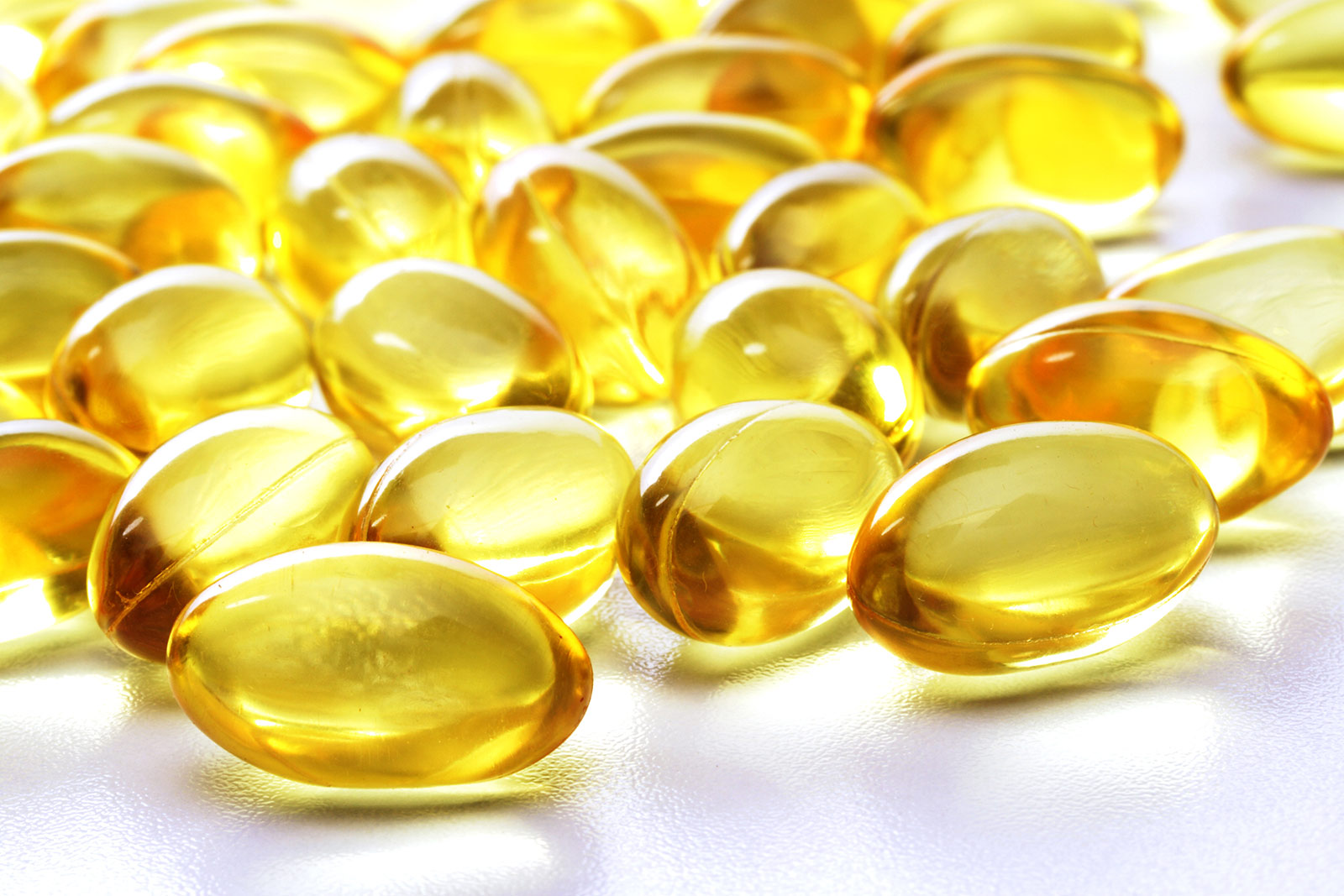
While a balanced diet is always the preferred method for nutrient intake, supplements are available for those who may need additional support or have specific deficiencies. However, it is crucial to consult with your doctor to determine the appropriate dosage and form of Vitamin E supplement, as excessive intake can have adverse effects, especially with certain medical conditions or medications.
Conclusion: Embrace the Full Spectrum of Vitamin E Benefits
From its well-known antioxidant properties that support youthful skin and healthy hair to its pivotal, yet often overlooked, roles in managing diabetes and alleviating arthritis symptoms, Vitamin E stands out as a truly multifaceted nutrient. By combating oxidative stress, enhancing metabolic processes, and modulating inflammatory responses, Vitamin E contributes significantly to cellular health, organ function, and overall vitality. Whether obtained through a rich diet or carefully considered supplementation, embracing Vitamin E as a part of a comprehensive wellness strategy can unlock profound benefits for a healthier, more vibrant life. Always remember to discuss any dietary changes or supplement regimens with your healthcare provider to ensure they align with your individual health needs.