Vitamin E Benefits: Youthful Skin, Healthy Hair & Anti-Aging Secrets
In the vast landscape of essential nutrients, few vitamins garner as much attention for their multifaceted health benefits as Vitamin E. Often hailed as a cornerstone of beauty and anti-aging regimens, its role extends far beyond superficial appeal. This fat-soluble antioxidant is a critical player in maintaining cellular health, combating oxidative stress, and supporting a myriad of biological processes that contribute to overall well-being. From enhancing skin radiance and strengthening hair to bolstering internal organ function and easing chronic conditions, the Vitamin E benefits are truly remarkable. Understanding how to harness its power can unlock secrets to a more vibrant, resilient, and youthful you.
The Antioxidant Powerhouse & Its Anti-Aging Secrets
At the heart of Vitamin E's profound impact lies its potent antioxidant activity. In our daily lives, our bodies are constantly exposed to environmental stressors like pollution, UV radiation, and even natural metabolic processes, all of which generate harmful molecules known as free radicals. These unstable compounds wreak havoc on our cells, damaging DNA, proteins, and lipids, a process known as oxidative stress. This cellular damage is a primary driver of aging, leading to wrinkles, fine lines, dull skin, and the gradual degeneration of tissues and organs over time.
Vitamin E, a group of eight fat-soluble compounds called tocopherols and tocotrienols, acts as a formidable shield against this oxidative assault. It neutralizes free radicals, preventing them from causing cellular damage and slowing down the aging process at a foundational level. By protecting cell membranes and maintaining cellular integrity, Vitamin E plays a crucial role in preserving the vitality and function of our tissues. This intrinsic protection is the true secret behind its anti-aging prowess, contributing not only to a youthful outward appearance but also to the longevity and healthy function of every cell in your body.
Nourishing from Within: Skin and Hair Transformation
The visual impact of adequate Vitamin E intake is perhaps its most celebrated benefit, particularly for those seeking to enhance their natural beauty without relying on invasive procedures. Imagine a natural ingredient that actively contributes to cell repair and provides robust antioxidant effects. This is precisely what Vitamin E offers for your skin.
- Enhanced Skin Appearance: Your skin, being the largest organ, is constantly exposed to the elements. Vitamin E supports vital cell repair mechanisms, helping to mend damage from sun exposure and environmental pollutants. Its antioxidant properties ward off the free radicals that contribute to premature aging, visibly reducing the appearance of wrinkles and fine lines. Regular intake can improve skin elasticity, promote a more even tone, and leave your complexion looking smoother, more supple, and naturally radiant. It helps to strengthen the skin's natural barrier, locking in moisture and protecting against irritants.
- Improved Hair Condition: Beyond skin, Vitamin E is a secret weapon for luscious locks. It works internally to condition the hair follicles, providing the essential nutrients needed for healthy hair growth and structure. By fighting oxidative stress on the scalp, it can help prevent damage to hair follicles, which is often a cause of dull, brittle, or thinning hair. The result? Hair that is not only smoother and shinier but also stronger, less prone to breakage, and more manageable. Incorporating Vitamin E-rich foods or topical applications can revitalize your hair from root to tip, giving it a healthy, vibrant luster.
Beyond Beauty: Holistic Health Advantages
While its cosmetic benefits are impressive, Vitamin E's contributions to overall health are equally, if not more, significant. Its systemic impact extends to various bodily functions, offering protective and supportive roles that are vital for long-term wellness.
- Support for Metabolic Processes and Diabetes Management: For individuals managing diabetes, balancing insulin and blood glucose levels is paramount. Vitamin E consumption can play a supportive role by promoting the metabolic processes of blood glucose. By reducing oxidative stress, particularly on insulin-producing cells, it may help improve insulin sensitivity and support healthier blood sugar regulation. (For a deeper dive into this, check out our article: Beyond Antioxidants: Vitamin E's Role in Diabetes & Arthritis Relief)
- Crucial for Eye Protection, Especially in Infants: Vitamin E plays a protective role in eye health, especially for vulnerable populations. Premature babies, for instance, can greatly benefit from adequate Vitamin E intake, which aids in oxygen delivery to protect the retina from damage. Proper Vitamin E intake by the mother during pregnancy can be a preventative measure, safeguarding the developing retina from potential harm and supporting healthy visual development.
- Easing Pain After Exercise and Enhancing Recovery: Athletes and active individuals often push their bodies to the limit. During intense aerobic exercise, the body naturally releases a higher number of free radicals, which can damage muscle cells and lead to inflammation and post-workout soreness. Vitamin E effectively negates this process, acting as a cellular bodyguard. By neutralizing these dangerous substances, it protects muscle tissue from oxidative damage, facilitating faster repair and significantly easing post-workout discomfort, such as calf pain. This allows for quicker recovery and consistent performance.
- Slowing Mental and Physical Degeneration: As an exceptional antioxidant, Vitamin E offers protection against free radicals that occur naturally and those from environmental sources. By mitigating this cellular stress, it contributes to slowing the mental and physical degeneration of cells associated with aging. This protective mechanism supports cognitive function, helps maintain neurological processes, and contributes to the overall vitality of organs, preventing age-related decline and supporting proper functions of many organs and enzymatic activities.
- Reducing Symptoms of Menstruation and Menopause: Many women experience significant discomfort associated with their menstrual cycle. Vitamin E has been shown to alleviate painful menstruation, a condition known as dysmenorrhea. Studies suggest that taking Vitamin E for a few days before and after the onset of bleeding can decrease the pain, severity, and duration of menstruation, and even reduce blood loss. Furthermore, experts report that Vitamin E may also help mitigate common premenstrual syndrome (PMS) symptoms like cravings, anxiety, and depression in some women, and ease menopause symptoms such as hot flashes.
- Alleviating Rheumatoid Arthritis Symptoms: Rheumatoid arthritis (RA) is a chronic, debilitating autoimmune disease characterized by joint pain, stiffness, and loss of mobility. Research indicates that when Vitamin E is taken alongside standard medications, it can be more effective than medication alone in reducing pain for people with RA. Its anti-inflammatory and antioxidant properties likely contribute to easing joint discomfort and supporting overall joint health. (To learn more about Vitamin E's role in arthritis relief, read our article: Beyond Antioxidants: Vitamin E's Role in Diabetes & Arthritis Relief)
Sourcing Your Vitamin E: Foods & Supplements
While the allure of a quick supplement can be tempting, the most effective and holistic way to reap the benefits of Vitamin E is often through a balanced diet rich in natural sources. Vitamin E is exclusively found in plant foods and is a fat-soluble vitamin, meaning it requires fat for proper absorption.
Excellent dietary sources of Vitamin E include:
- Vegetable Oils: Wheat germ oil, sunflower oil, safflower oil, corn oil, and soybean oil are particularly rich.
- Nuts and Seeds: Almonds, sunflower seeds, hazelnuts, and peanuts are packed with Vitamin E.
- Leafy Green Vegetables: Spinach, kale, and broccoli contribute to your daily intake.
- Fruits: Avocado and mango also offer a good amount.
- Fortified Cereals: Many breakfast cereals are fortified with Vitamin E.
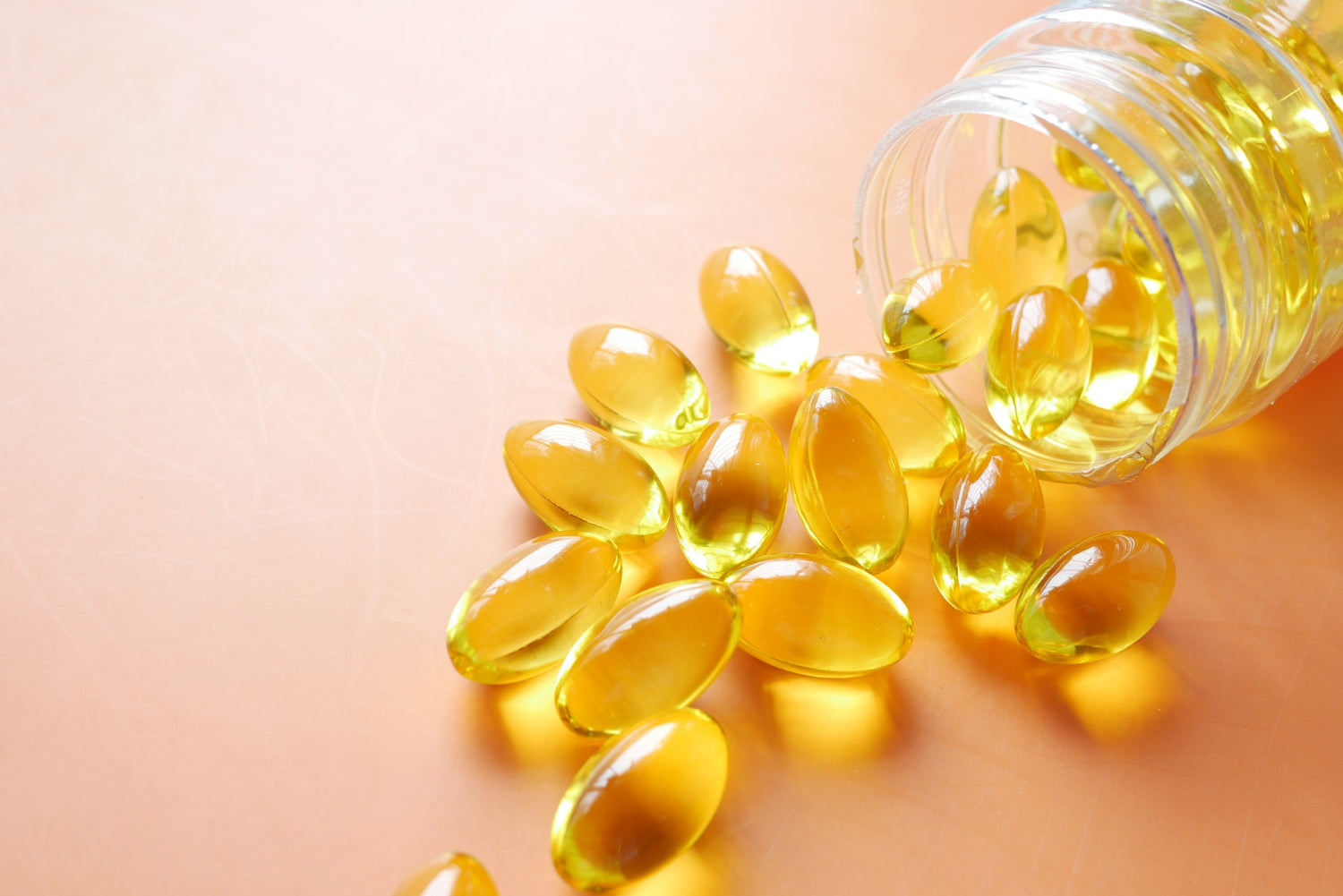
For those who may struggle to meet their needs through diet alone, or have specific health conditions, Vitamin E supplements are an option. However, it's crucial to consult with your doctor or a qualified healthcare professional to determine the appropriate dosage. As a fat-soluble vitamin, excessive intake can accumulate in the body and potentially lead to adverse effects. Your doctor can assess your individual needs and recommend the best course of action.
In conclusion, Vitamin E is far more than just a beauty aid; it's a vital nutrient that acts as a fundamental protector and enhancer of your overall health. From shielding your cells against the ravages of free radicals and promoting youthful skin and healthy hair, to supporting critical functions in diabetes management, eye health, exercise recovery, and alleviating chronic pain, its benefits are extensive and profound. By prioritizing Vitamin E-rich foods in your diet and consulting with healthcare professionals about supplementation, you can unlock the full potential of this incredible vitamin and invest in a more vibrant, healthier, and resilient future.